Featured


Equipping the Next Generation
Training
Upcoming Events
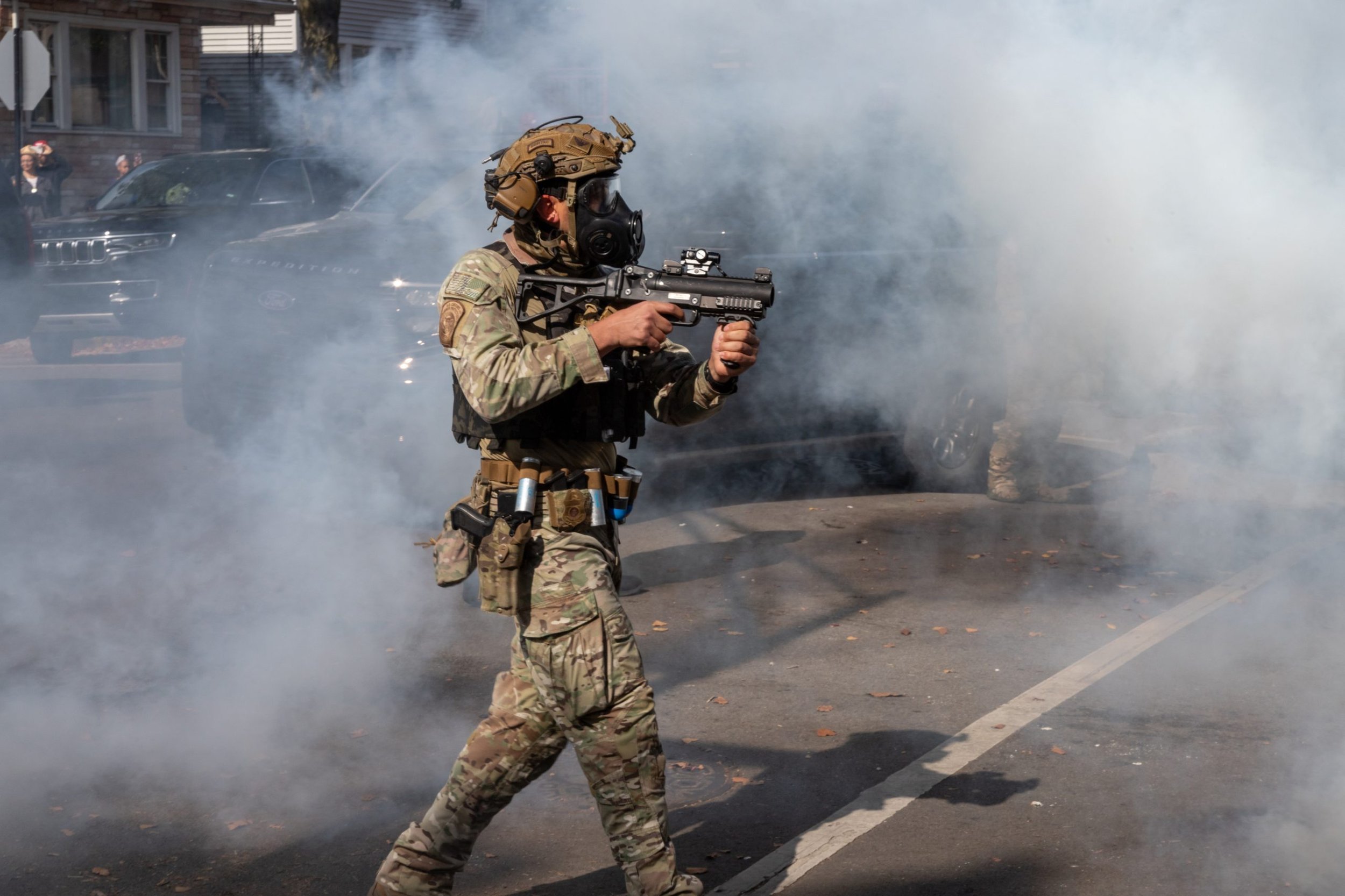
How to Protect Your Devices from Government Raids
A live training by The Intercept on how to secure your mobile devices against raids, seizure and surveillance / virtual / Feb. 3 (part 1)
Fundamentals of Interviewing
Feet in 2 Worlds’ workshop is designed to help participants strengthen fundamental audio interviewing skills / virtual / Feb. 20 (part 1) and Feb. 23 (part 2)
Fundamentals of Writing For Audio
Feet in 2 Worlds’ workshop is designed to help participants learn the basics of writing for audio stories and reporting / virtual / March 2
NICAR 2026
Investigative Reporters & Editors and NICAR annual data journalism conference / Indianapolis / March 5-7, 2026
FOIA Fest 2026
The Chicago Headline Club’s annual public records conference / Chicago / March 21
innovative programs
Our Work
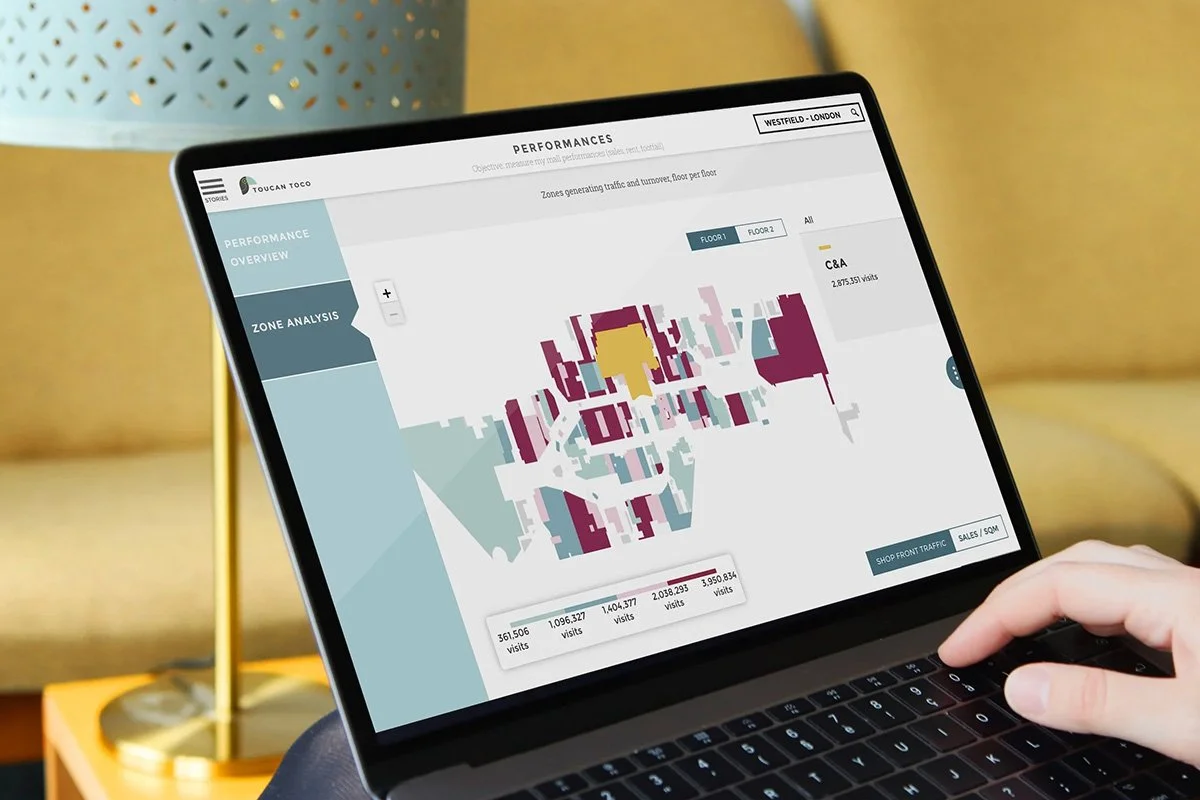
Data-Driven Investigations
Our dispassionate style of fact-based, data-driven reporting uncovers systemic racial and economic disparities.
Collaborative Reporting
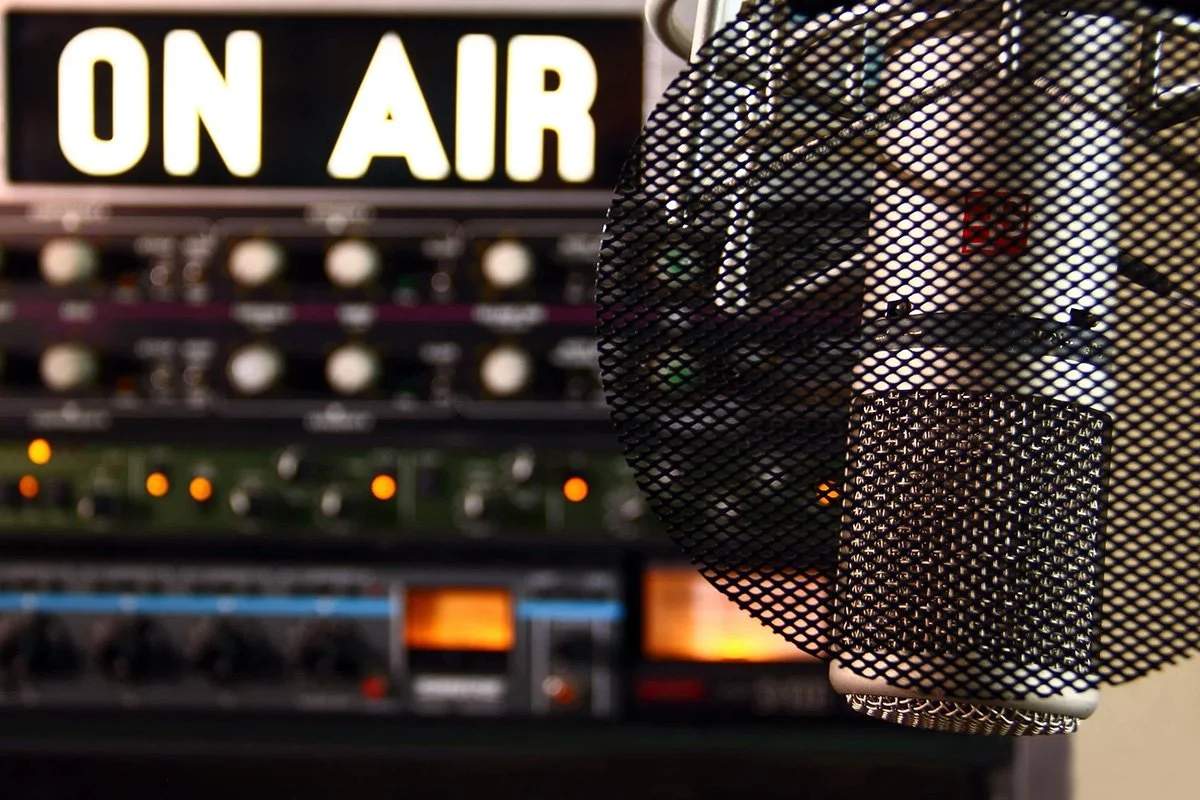
We partner with Chicago media outlets to support major investigations on race and equity issues in the region and across Illinois.

Journalism Training
Our investigative workshop series helps journalists develop investigative skills, while creating a pipeline of diverse and skilled reporters.

Apprenticeship Program
Our apprenticeship program gives aspiring investigative reporters hands-on experience coupled with a training series and mentorship.
investing in INDEPENDENT JOURNALISM
Supporters






meaningful coLlaborations
Partners